Hazardous Tree Assessment

Hazardous Tree Assessment Before It Becomes an Emergency

Diagnosis and pre-emptive removal of dead, rotting, or compromised trees before they fail.

Typical Range
$150–$500
per assessment (often credited toward removal)
★★★★★ 4.9 on Google
Fully Licensed & Heavily Insured
24/7 Rapid Dispatch
ISA Certified Arborist on Staff
15+ Years Experience
Sound Familiar?

Why San Angelo Property Owners Call Us for Hazardous Tree Assessment

That Tree Worries You Every Storm Season

A leaning oak or dead pecan keeps coming to mind every time the forecast shows wind. You want an expert opinion before it fails.

You Can See Something Is Wrong, Not How Serious

There is visible rot, a split trunk, or a root that looks like it is lifting. You need a risk rating, not a guess.

You Want to Know Before Spending on Removal

Maybe the tree can be saved or monitored. An assessment gives you a clear recommendation before you commit.

The Tree Is Close to the House

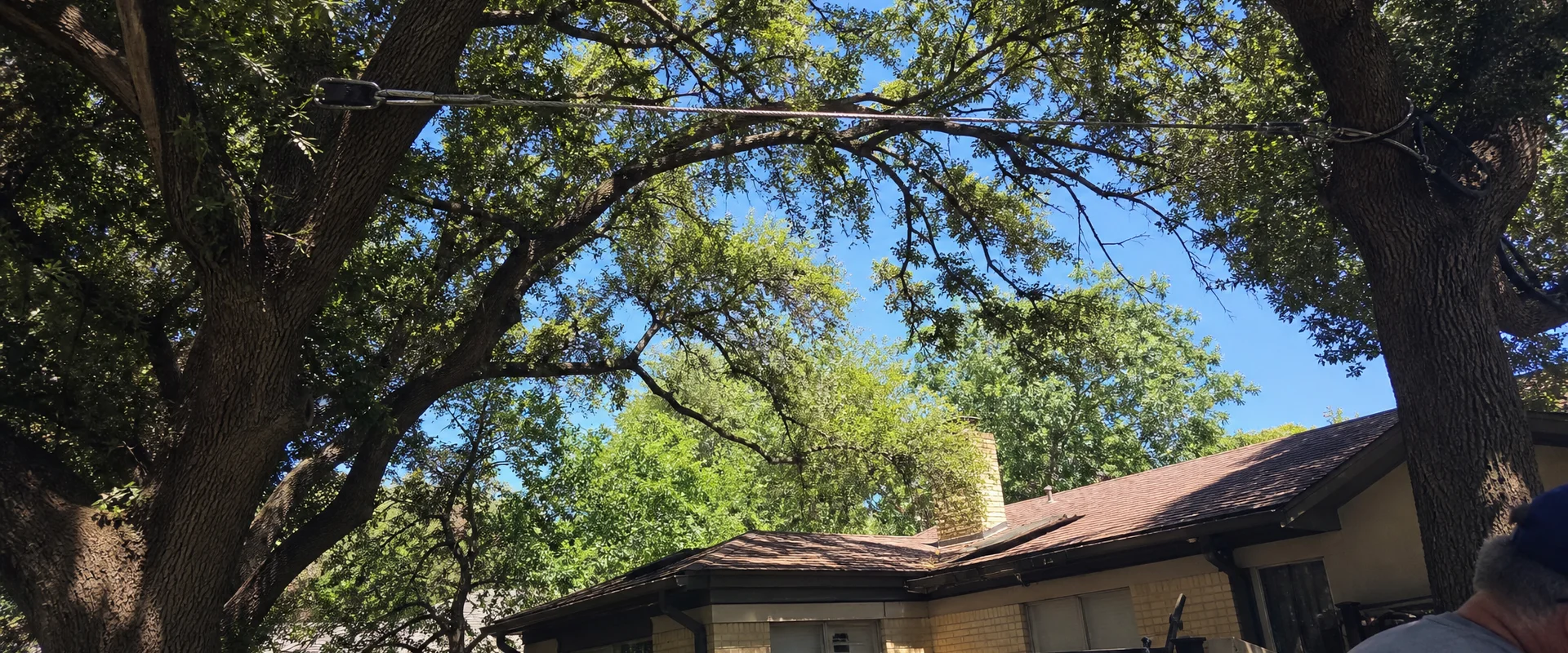
One bad wind event and it comes through a wall or a roof. Pre-emptive removal costs far less than emergency removal with structure damage.

The Tree You Should Worry About

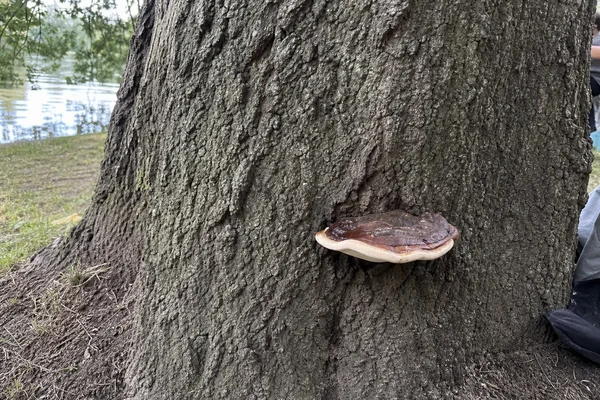
Every emergency removal we run in San Angelo started as a tree that looked “mostly fine” until it didn’t. Co-dominant leaders with included bark, heartwood rot hidden inside a still-green canopy, Ganoderma root rot advertised only by a small bracket at the base — most catastrophic failures had warning signs weeks or months before they happened.

A hazardous tree assessment is what catches those signs while you still have options.
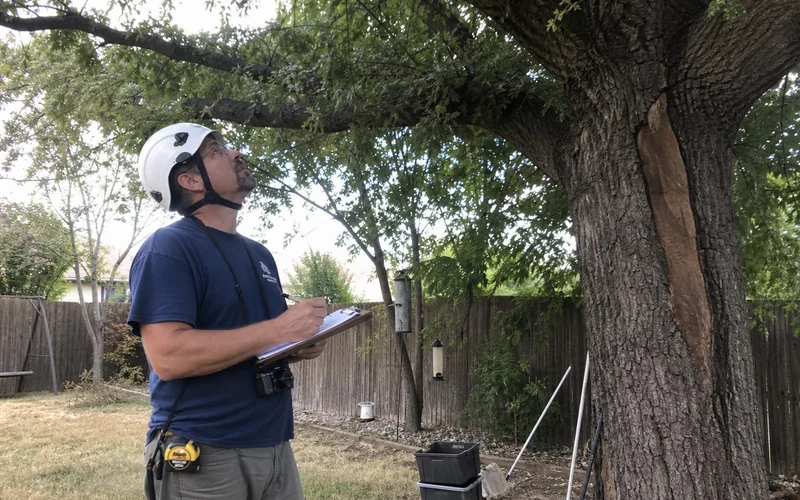
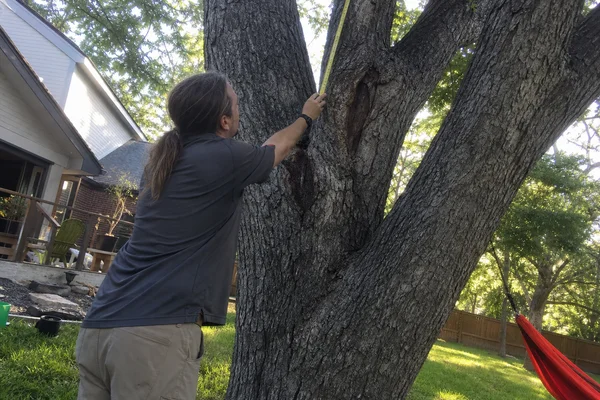
ISA Certified Arborist documenting oak defects during an assessment

What We Look For

Assessments follow the ANSI A300 Part 9 framework, which gives us a repeatable way to evaluate structural defects and rate risk. Concretely, we check:

  • Structural union. Co-dominant stems, included bark, historic pruning wounds.
  • Trunk integrity. Cracks, cavities, fungal fruiting bodies, cambial dieback.
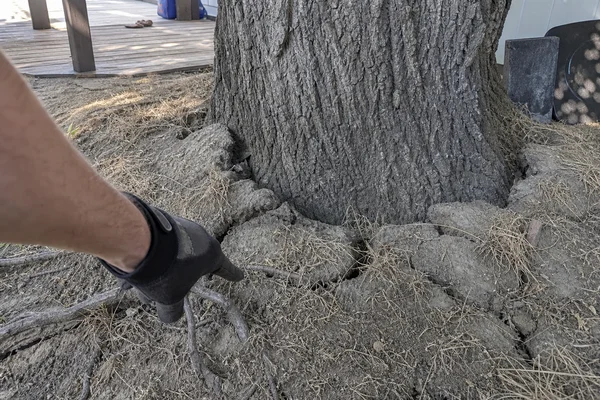
  • Root system. Heave at the flare, exposed structural roots, mower damage, girdling roots.
  • Canopy health. Dieback percentage, hangers, epicormic sprouting patterns.
  • Disease indicators. Oak wilt symptoms in Texas oaks, pecan decline, Ganoderma at the root collar.
  • Target zones. What is under the tree if it fails — a house, driveway, sidewalk, road, neighbor’s structure.

Combining defect severity with target exposure gives us a risk mitigation rating — low, moderate, high, or extreme — and a corresponding recommendation.

What the Report Actually Tells You

For each tree we assess, the report includes:

  1. Species and approximate age
  2. Documented defects with photos
  3. Target zone description
  4. Risk mitigation rating
  5. Recommendation: monitor, structural support (bracing), or pre-emptive removal
  6. Timeline for the recommendation

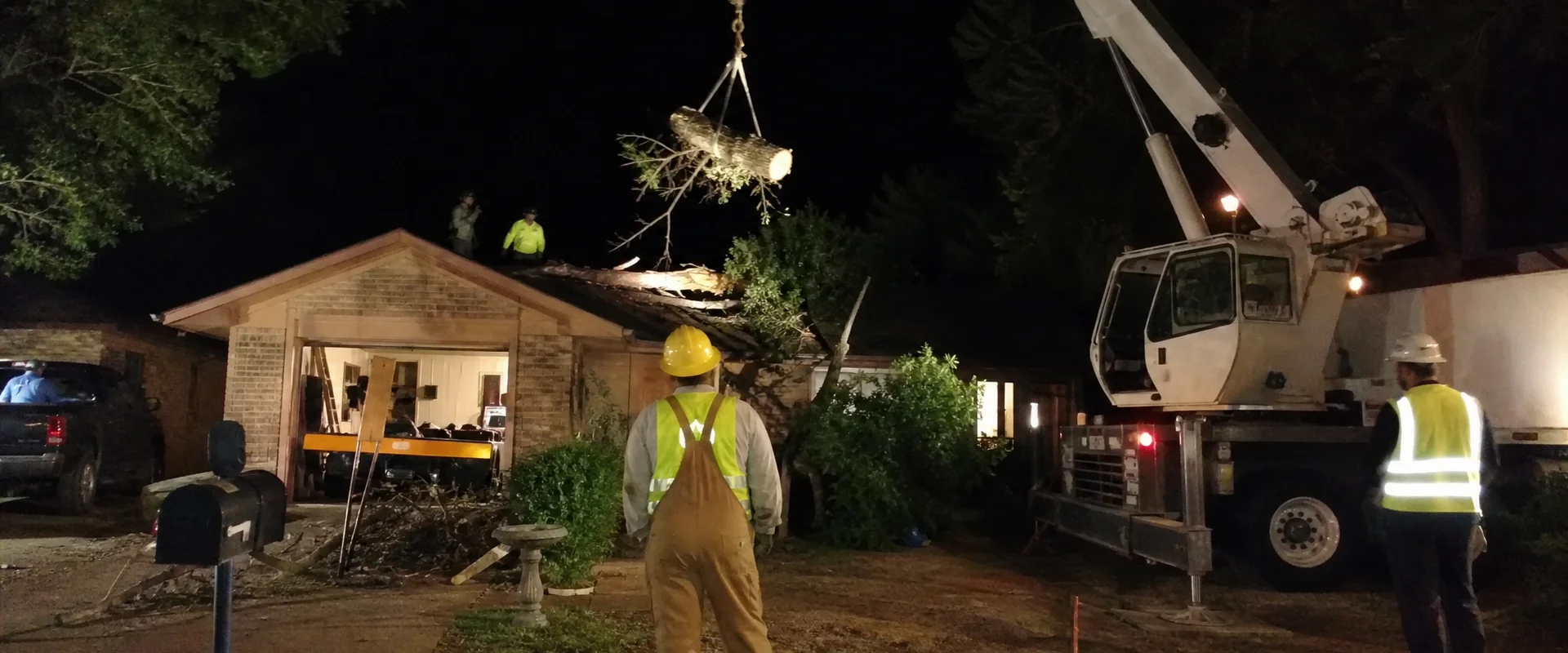
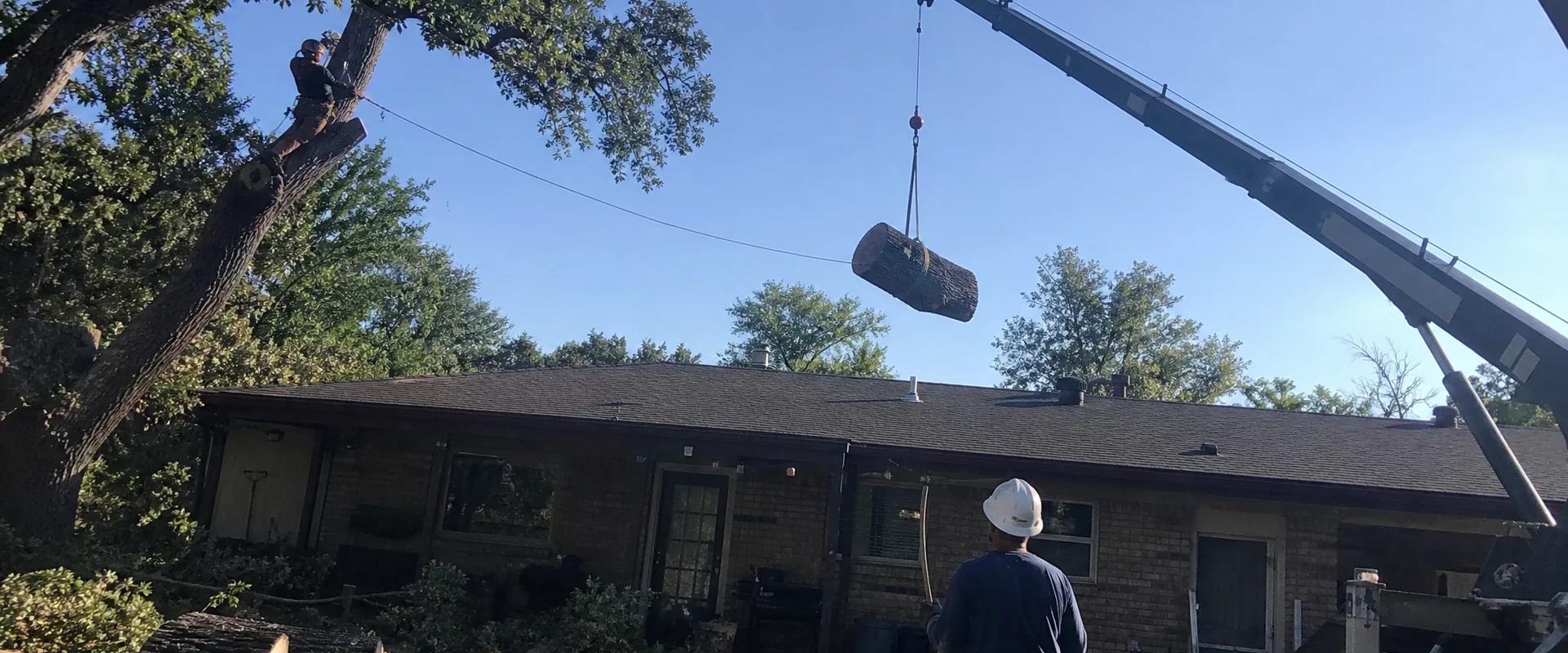
If the honest answer is “keep an eye on it, re-assess in 12 months,” that is what the report will say. If the answer is “this needs to come down before the next storm rolls through,” we can quote the removal on the same visit — often with a crane, given the size of West Texas oaks and pecans.

When Assessment Beats Emergency

The math on pre-emptive removal is straightforward. An assessment plus a scheduled crane removal on a hazardous 60-foot pecan is usually well under half the cost of the same tree coming down on the roof in a supercell, and it does not involve an insurance claim, a temporary tarp, or a night in a hotel. If you have a tree you have been worried about, the Tree Removal Cost Estimator will give you a rough sense of the removal number to plan around.

Book an Assessment

Assessments run $150–$500 depending on the property, and the fee is credited toward any resulting removal or bracing work. Call (325) 555-9111 or request one online.

If you are worried a tree may fail imminently, that is an emergency call — see Emergency Tree Removal. If the tree is valuable and you want to preserve it, we can also evaluate for Tree Cabling & Bracing as an alternative to removal.

Last updated: July 13, 2026
How It Works

How Hazard Assessment Works

01

Site Walk

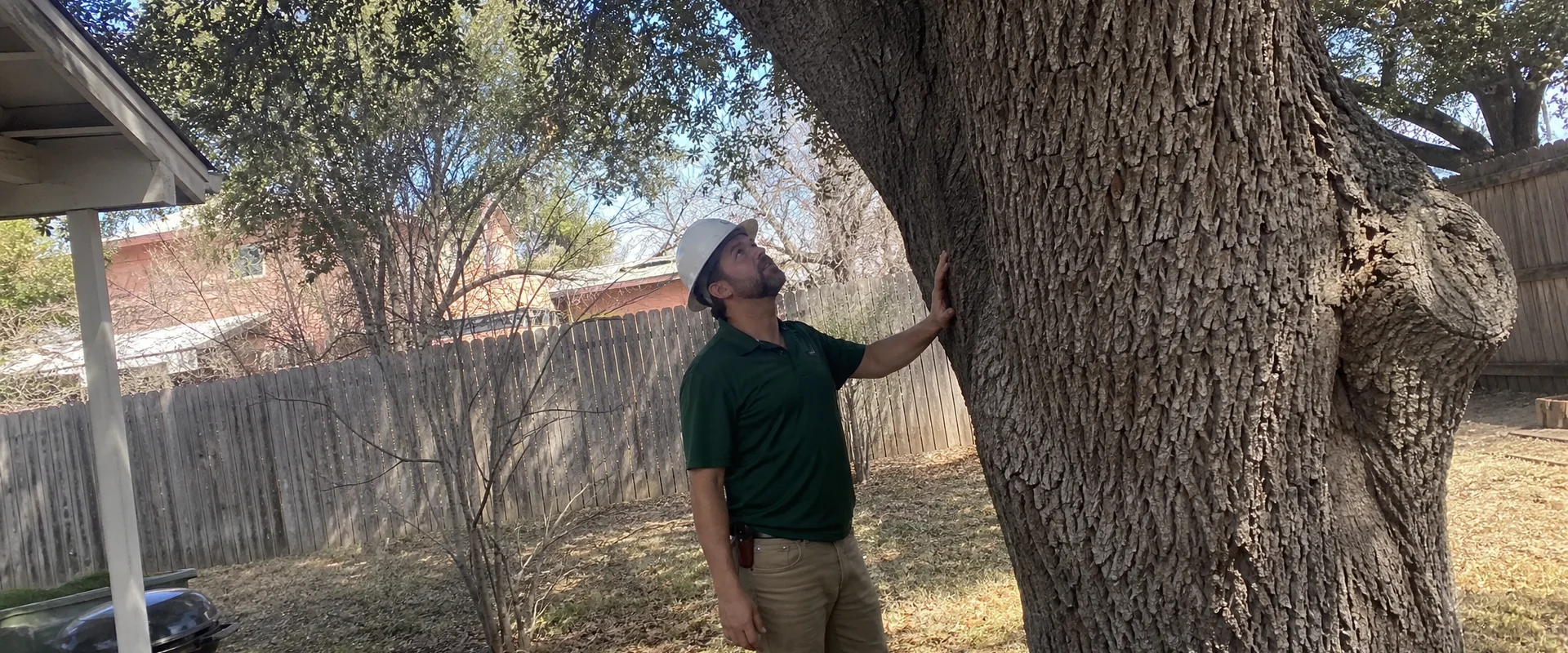
An ISA Certified Arborist walks the property, notes species, and identifies any tree with obvious defects, decay, or asymmetry that warrants a closer look.

02

Structural Inspection

For flagged trees we check co-dominant leaders, included bark, root flare exposure, heartwood rot indicators, and the lean angle relative to targets below.

03

Disease Diagnosis

West Texas oaks get inspected for oak wilt (Ceratocystis fagacearum); pecans for pecan decline; any tree with root symptoms for Ganoderma root rot.

04

Written Risk Report

You get a written report with each tree rated, the specific defects documented, and a recommendation — from monitoring to pre-emptive removal — before storm season.

Work in the Field

Real Jobs, Real Photos

Arborist inspecting a co-dominant stem union
Root flare inspection showing lift at the base
Ganoderma bracket fungus on an oak trunk
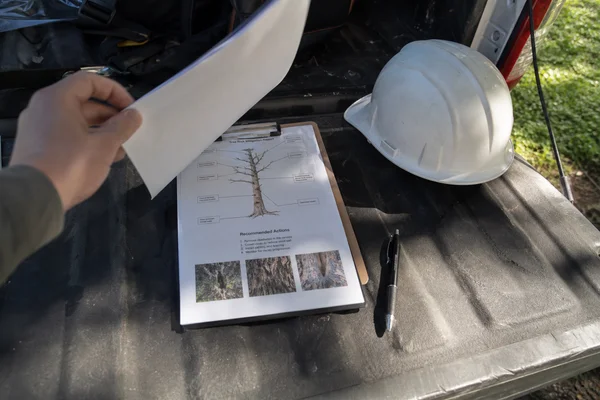
Written risk mitigation report with recommendations
Why Us for This

What Sets Our Hazard Assessment Work Apart

ANSI A300 Standards

Assessments follow ANSI A300 Part 9 standards for tree risk evaluation.

Honest Ratings

We do not up-sell removals. If a tree just needs monitoring, that is what the report will say.

Assessment Fee Credit

If the assessment leads to a removal or bracing job, the assessment fee is credited toward that work.

Ready to move forward?

Fully licensed and heavily insured. Real dispatcher, 24/7. No obligation for assessments.

What Clients Say

Verified Reviews for Hazardous Tree Assessment

★★★★★

"They assessed a huge leaning oak we'd been nervous about for years, gave us an honest risk rating, and took it down cleanly with the crane. No damage to the fence or the neighbor's yard. Fully insured and it showed."

Patricia M.
Grape Creek · Hazardous Tree Assessment
Common Questions

Frequently Asked Questions About Hazardous Tree Assessment in San Angelo

How do I know if a tree needs an assessment? +

Signs include visible dead wood in the canopy, a growing lean, mushrooms or brackets at the base, cracks in the trunk union, or exposed roots after a storm. When in doubt, get a professional to look.

Do you always recommend removal? +

No. Many trees can be preserved with monitoring or structural support like [Tree Cabling & Bracing](/tree-cabling-bracing/). The report tells you the honest answer.

What is oak wilt? +

Oak wilt is a fungal disease (Ceratocystis fagacearum) that spreads through Texas oaks and is often fatal. We assess for symptoms and coordinate proper handling — infected wood needs specific disposal.

Ready to schedule Hazard Assessment?

Real dispatcher, 24/7. Fully licensed and heavily insured for high-liability tree work in San Angelo and the Concho Valley.

Call Now