After the Wind Stops, the Call Comes Next
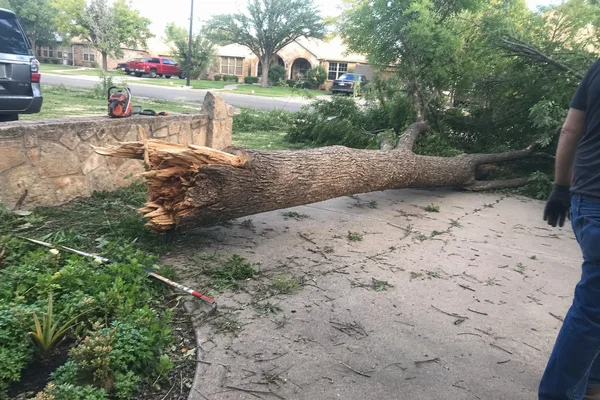
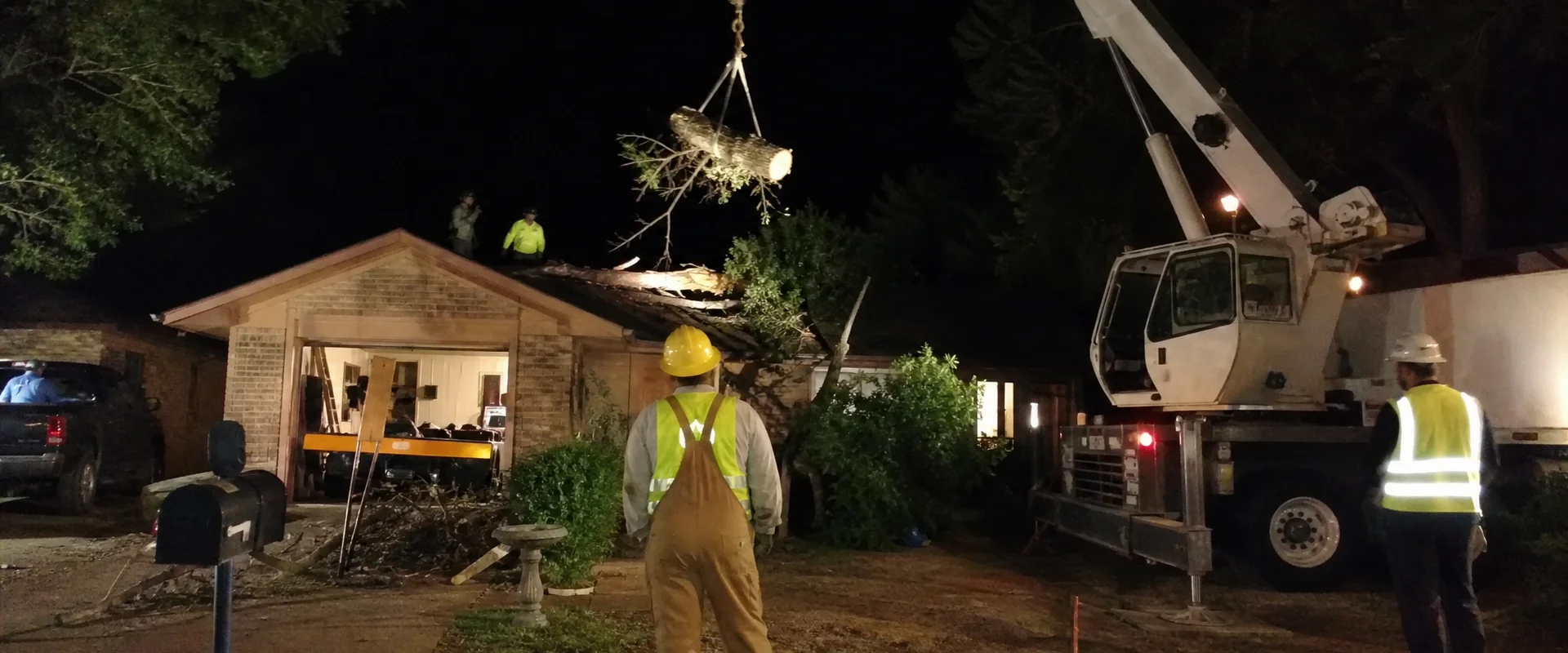
A single West Texas supercell can drop a 60-year-old pecan across your driveway in the time it takes to close the storm shutters. Straight-line winds move through the Concho Valley with force enough to snap mature trunks and lift root plates on trees that looked healthy the day before. When that happens, the cleanup is not just about hauling debris. It is about identifying which of the still-standing trees are now compromised, documenting the loss so your insurance carrier will actually pay, and doing it fast enough that your property is safe and accessible again.
What Storm Response Actually Covers
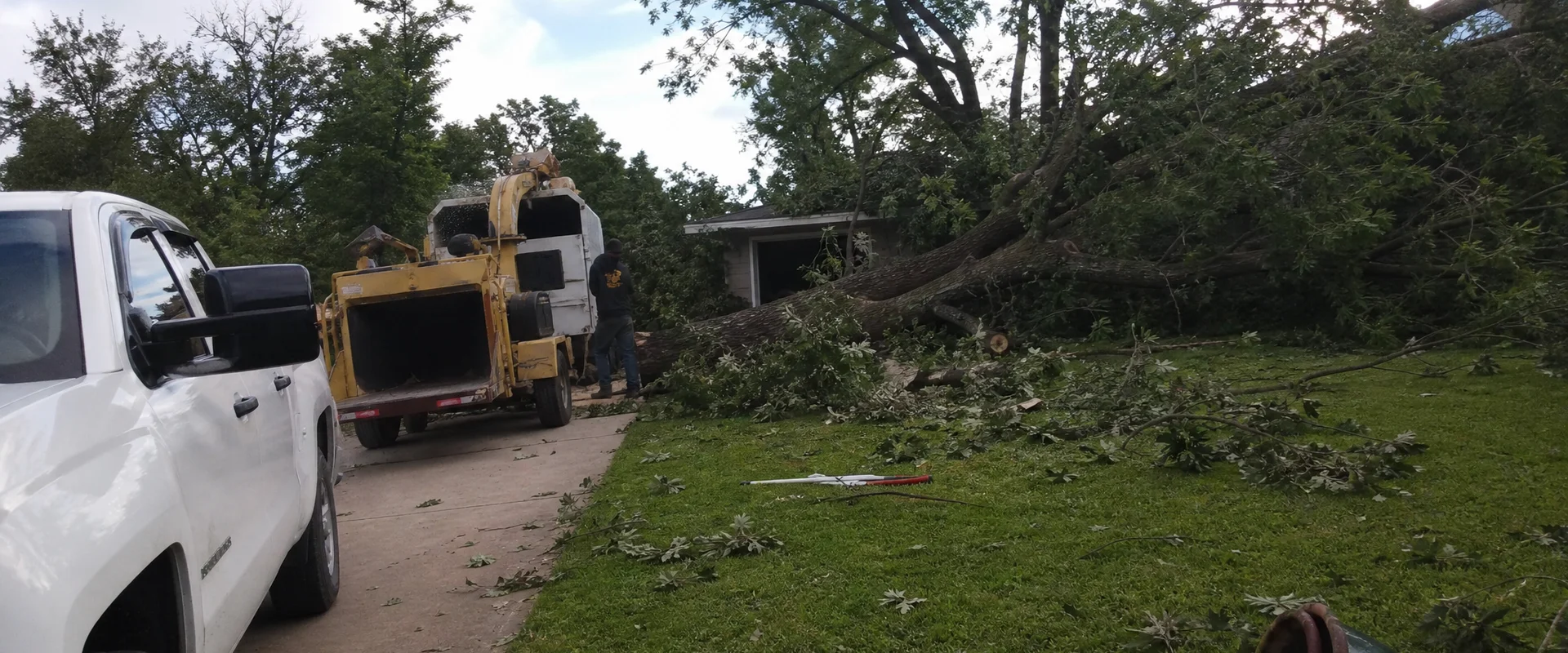
- Downed trees. Full trunks and root plates that have failed onto lawns, driveways, or structures.
- Snapped limbs and hangers. Broken sections still in the canopy that will drop next.
- Split trunks. Trees where a co-dominant leader has torn out but the rest is still standing.
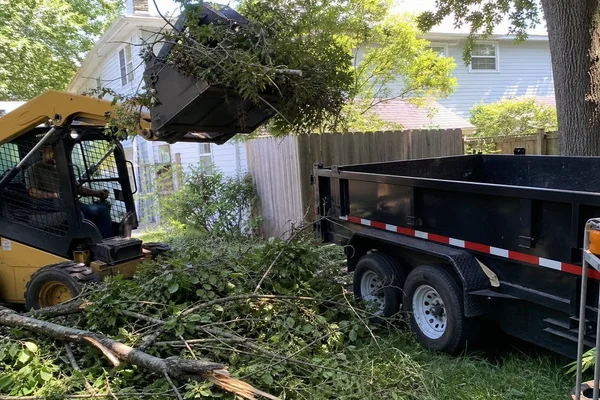
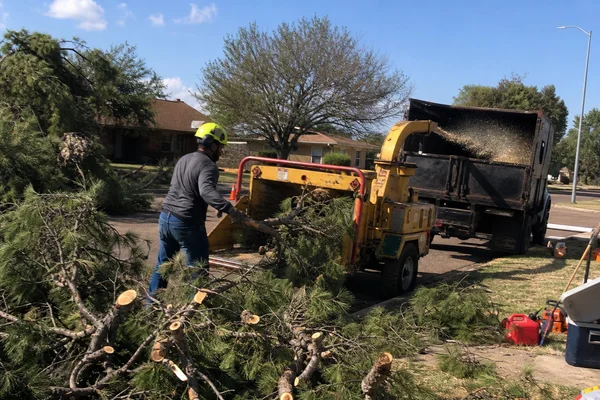
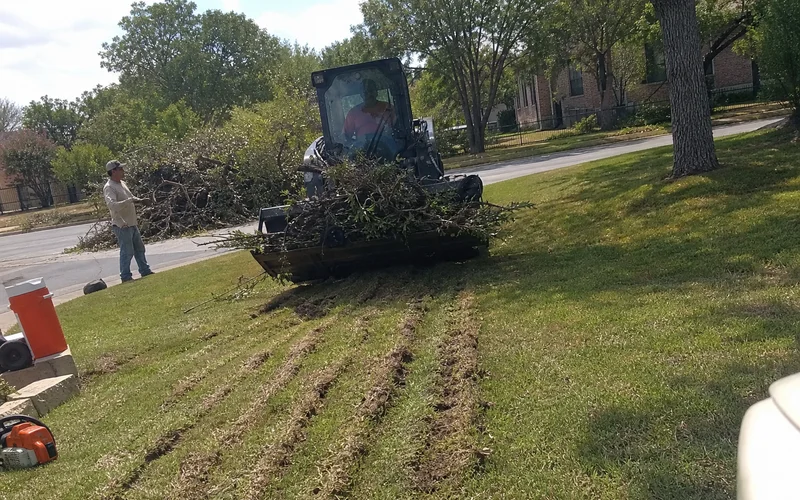
- Debris haul-off. Chipping in place with commercial chippers, or roll-off staging for large volumes.
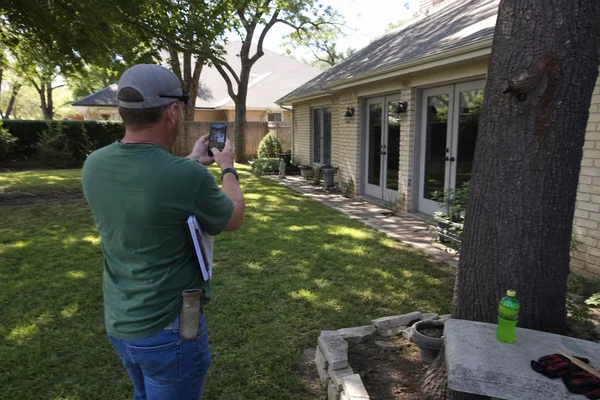
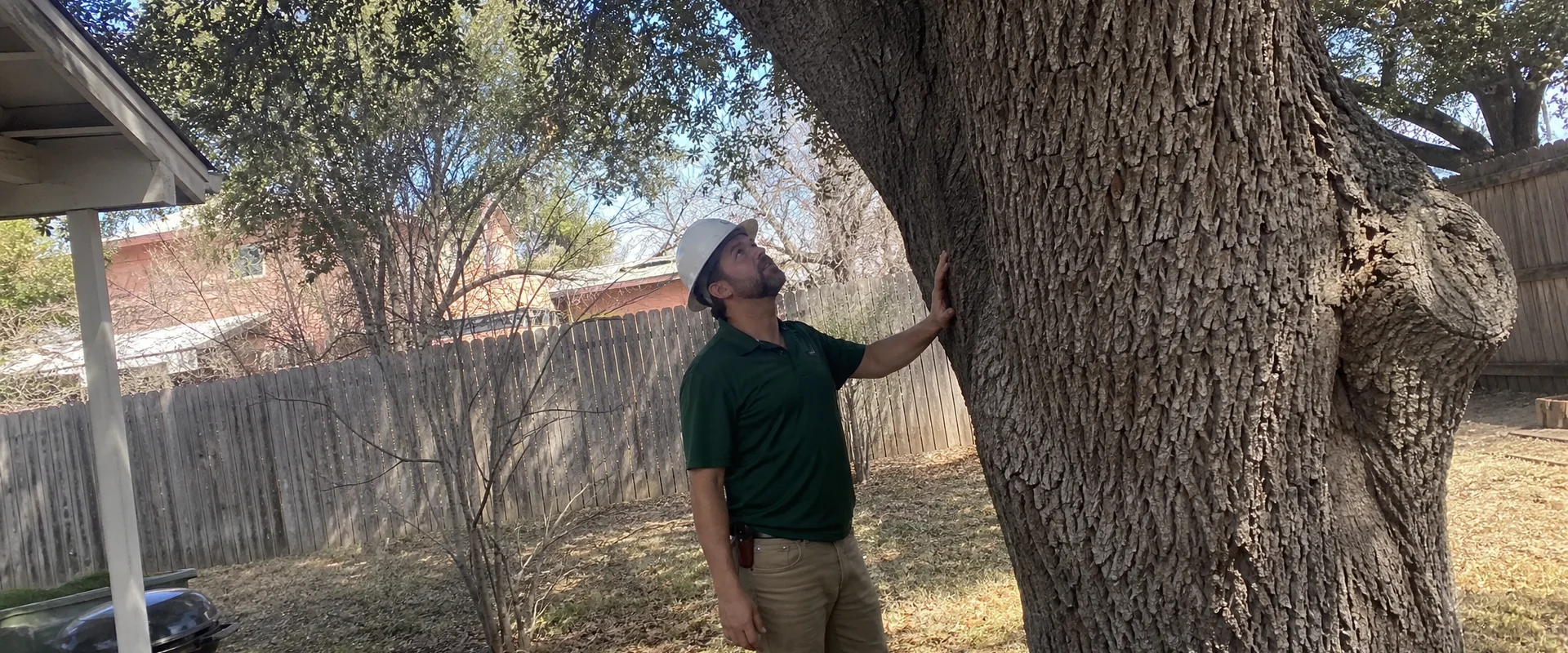
- Post-storm hazard assessment. A walk of the property to identify newly compromised trees before the next weather event.
For trees that are on your home or blocking egress right now, that is an emergency call — see Emergency Tree Removal. Storm cleanup is what comes next, once the immediate hazard is clear.
Insurance Documentation Done Right
Most homeowners carriers cover tree removal when a tree has fallen on a covered structure or is blocking access to the property. What they will not pay for is a claim without documentation. We photograph the pre-cleanup state of every fallen tree, note the property damage, itemize the work, and hand you a report your adjuster can process. For commercial properties, the same documentation flows into workers’ comp and general liability records that HOAs and property managers actually need.
What the Job Costs
Storm cleanup runs a wide range — usually $400–$6,000 for residential jobs — because the debris volume varies so much. A single fallen limb over a driveway is a couple of hours with a chipper. A yard with three downed trees and split canopy debris across the roof is a full crew day. We quote before we start, and if insurance is involved we can bill direct on covered losses.
Ready When the Next Storm Rolls Through
If you have storm damage right now, call (325) 555-9111. If you want a walkthrough to identify trees that may fail before the next storm, book a Hazardous Tree Assessment — that assessment often catches the problem tree before it becomes an insurance claim.
Last updated: July 13, 2026